You have finally started wearing the pearl necklace that used to stay in its box. Now the care advice feels more intimidating than the styling. A useful routine should make the piece easier to enjoy, not turn every outing into an elaborate checklist.
Begin with the instructions for your particular necklace, bracelet or earrings. Pearls are only one part of the construction. The thread, metal, adhesive or setting can change what is appropriate, so a generic jewellery-cleaning shortcut is not enough.
Keep the routine gentle
GIA advises avoiding harsh chemical exposure and wiping pearls after wear. Put the piece on after applying perfume or hairspray rather than spraying across it. When you remove it, use a clean, soft cloth and a gentle touch.
Choose a place to do this where the piece cannot slide into a sink or fall onto a hard floor. A few unhurried seconds on a clear surface are preferable to vigorous cleaning while standing in a bathroom doorway. The routine should fit comfortably into the way you get ready.
Skip machines and improvised treatments
GIA specifically advises against ultrasonic and steam cleaning for pearls. Do not assume a machine is appropriate because it is sold as a jewellery cleaner. If you are unsure whether a setting, surface or strand needs more attention, ask a jeweller familiar with pearls.
Avoid experimenting on a sentimental piece with household mixtures or abrasive products. The fact that a method made another metal look brighter says little about its suitability here. A product label needs to match the complete construction, not merely mention jewellery in general.
Look at the string and fastening
Before wearing a strand, take a moment to notice the thread near the clasp, spaces that were not there before or a fastening that feels different. These observations are reasons to seek an assessment; they do not require you to diagnose the construction yourself.
For earrings, check that the backs or closures are present and behave as expected. Put the pair away together after use. If a part appears loose, stop wearing it until it has been checked rather than relying on a quick adjustment you do not understand.
Store for the piece you own
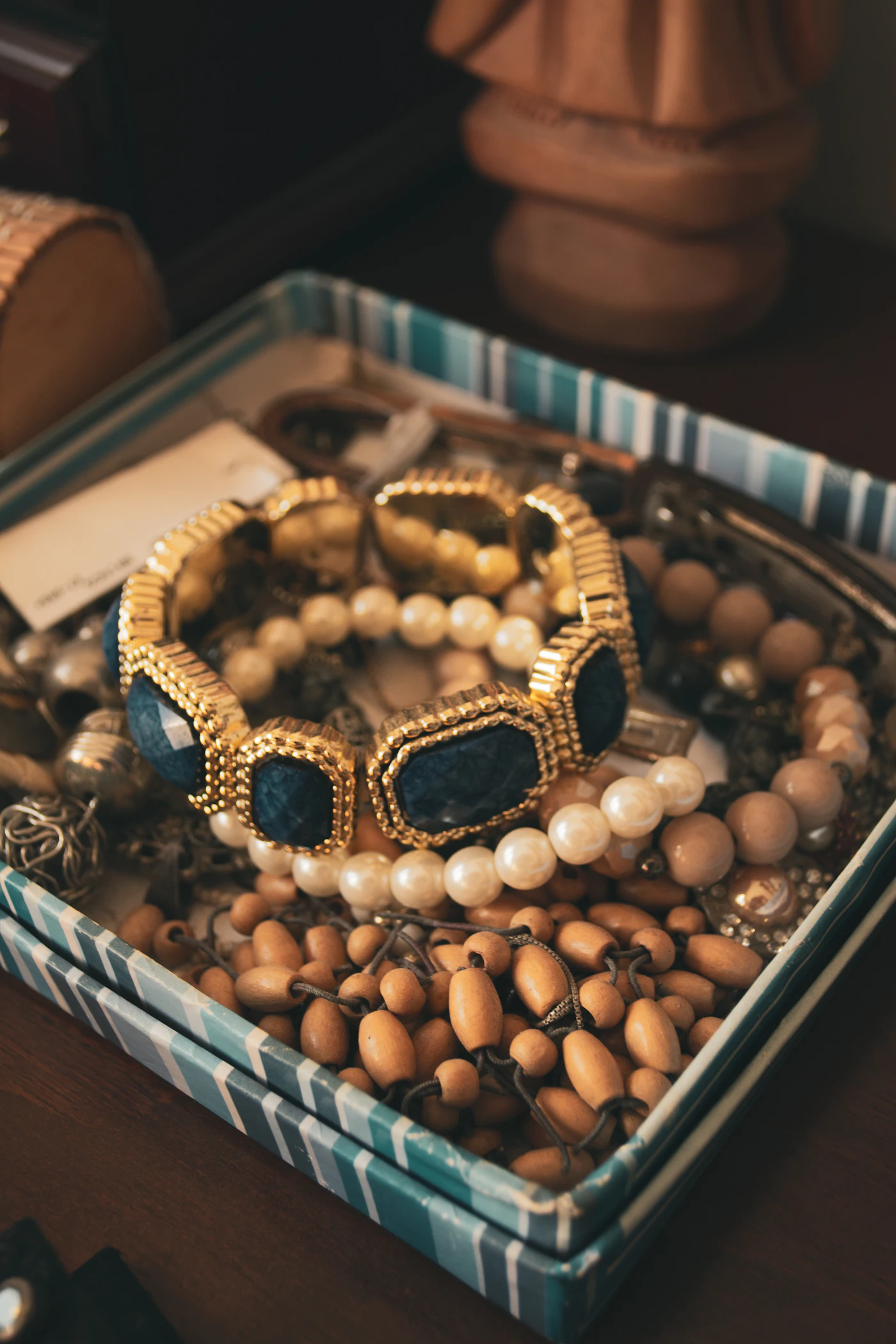
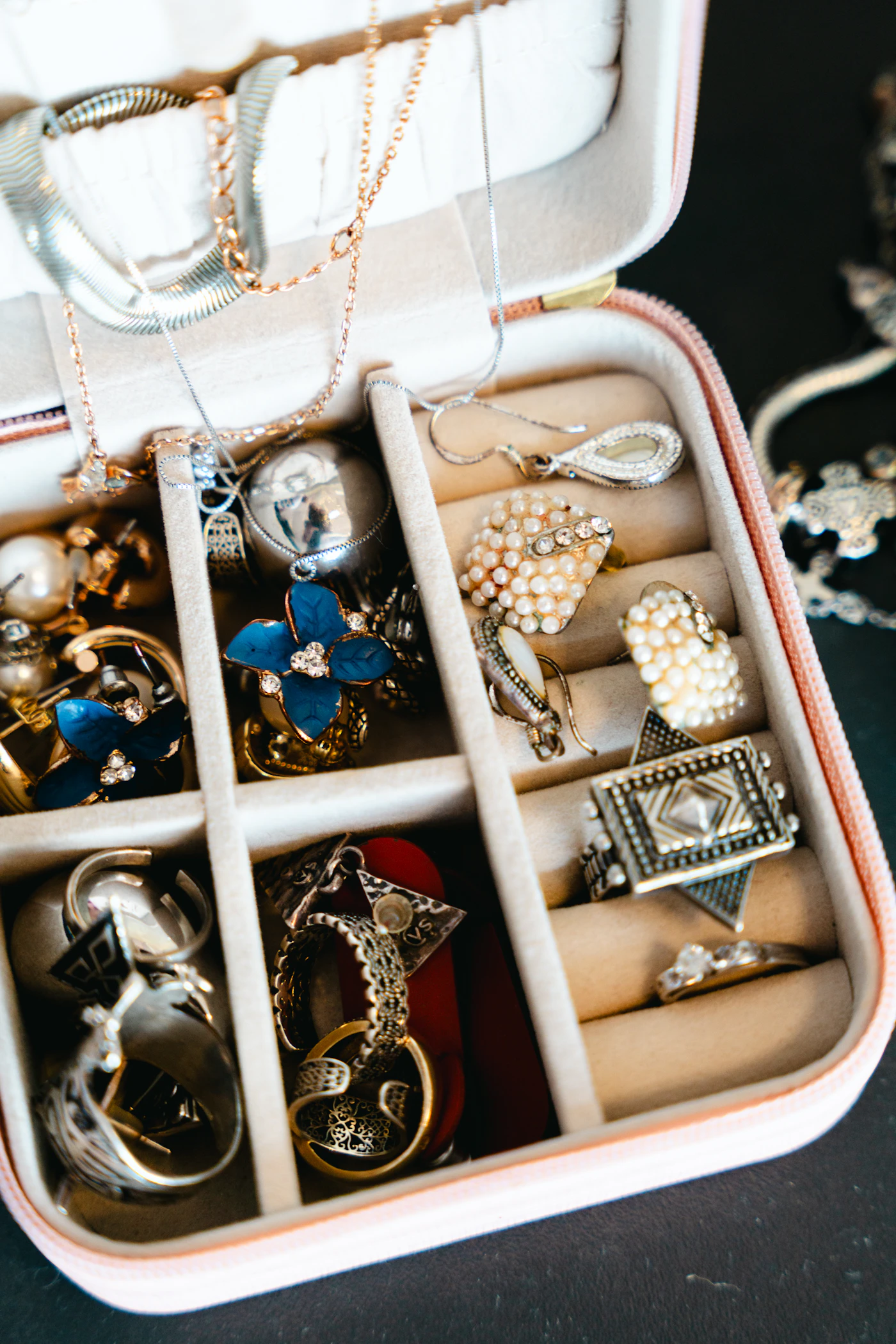
Give pearls their own suitable soft pouch or compartment, protected from harder jewellery. GIA cautions against very dry, hot storage conditions. Follow the seller’s guidance and avoid treating a sealed container designed for another material as a universal solution.
If you wear pearls only occasionally, make their storage easy to identify. Keep the care card and any repair information nearby but separate from the jewellery surface. Before buying a cleaning kit, ask whether a simple cloth and a professional check would address the actual need more directly.
Find your best fit
| Consider | Best for | The tradeoff |
|---|---|---|
| A gentle after-wear wipe | A simple regular habit | Does not replace assessment of a loose component |
| A professional inspection | Worn thread, uncertain settings or sentimental pieces | May involve a service fee and time away from the piece |
| A suitable separate pouch | Protecting pearls from harder items | Still needs an appropriate storage location |
A more considered purchase
- Read the care advice for the whole piece.
- Avoid spraying perfume or hair products over pearls.
- Never use an ultrasonic or steam cleaner for pearls.
- Set aside loose or worn-looking components for assessment.
Your questions, considered
Do pearls need to stay in their box?+
You can enjoy wearing them with a suitable routine. Match the piece to the activity and follow its care guidance rather than reserving every pearl for a rare occasion.
How often should a strand be restrung?+
Ask a qualified jeweller to assess the strand and your pattern of wear. A fixed interval cannot account for its condition, thread or construction.
The takeaway
Pearl care works best as a gentle habit: apply products first, wear thoughtfully, wipe carefully and store separately. When the construction looks uncertain, get it assessed.
Further reading & sources
Material and care references checked September 7, 2026. Styling recommendations reflect our editorial judgment.